Reviewed · TICKETS
The March Palace Entry Ticket
The most surprising feature here is the 18th-century Neapolitan nativity scene, a detailed work that brings old-world theater and tradition into a palace built much later, between 1939 and 1945. The March family used this building as a residence for decades, and leading artists of the period helped shape it.
I like the mix of modern sculpture and historic cartography, since you get two very different ways to understand Mallorca in one small museum. I also like the quiet setting and the low $11 price. The main drawback is size: you may see the whole museum in 30 minutes, especially if you move quickly.
Key points before you go
- See the Neapolitan nativity scene: This 18th-century display is the museum’s most distinctive traditional artwork.
- Look closely at the Mallorcan maps: The collection offers a visual record of the island and its changing sense of place.
- Expect modern and contemporary sculpture: The collection adds bold shapes and ideas to the palace’s older decorative setting.
- Notice Josep Sert’s murals: The walls carry work by one of the leading muralists of the 20th century.
- Plan a short, flexible visit: The museum is open from 10:00 a.m. to 5:30 p.m., and many people finish in about half an hour.
- Use the ticket as a central Palma stop: At $11, it works well when you want an indoor cultural visit without committing half a day.
A family palace with an unusual art collection
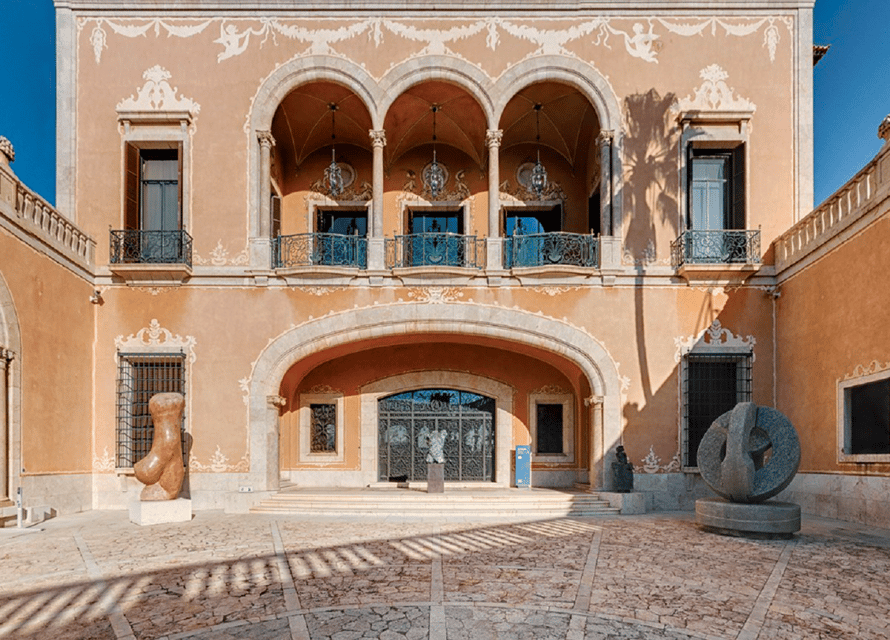
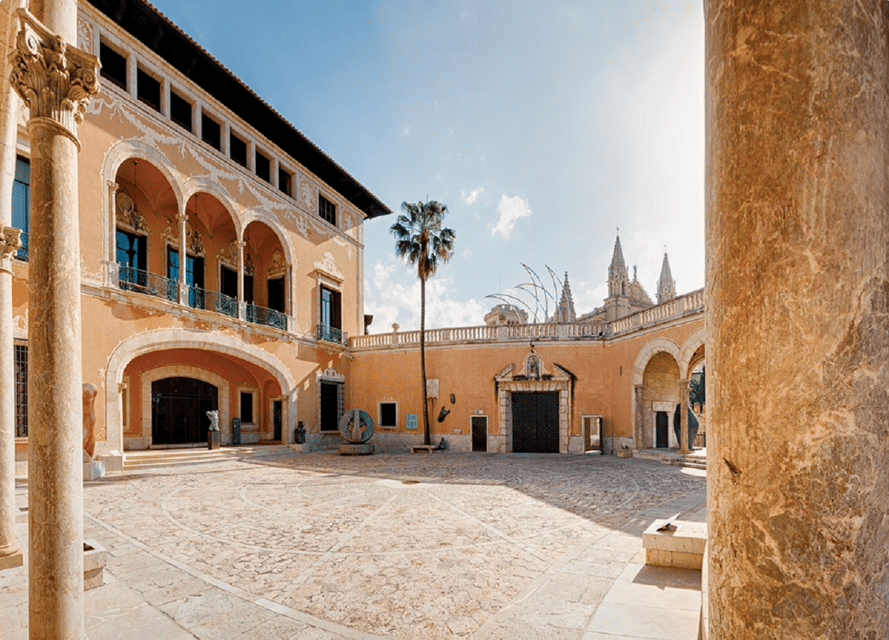
The March Palace, or Palau March, is not an ancient royal palace. It was built from 1939 to 1945 as the residence of the March family, and the building reflects the taste and ambition of that period. The setting gives you a chance to see how a powerful family presented art, culture, and status in 20th-century Palma.
You enter for the museum rather than for a long guided tour. The ticket is valid for one day, but that does not mean you need to spend the entire day inside. You can visit in a short block, then continue exploring central Palma.
I would set aside 30 minutes if you want a quick look, or closer to an hour if you stop to examine the sculpture, maps, murals, and nativity scene. The available information does not describe a guide or a fixed route, so you should expect an independent museum visit rather than a narrated tour with a named host.
The palace’s compact size is both its strength and its limitation. You will not lose a whole morning here, but you also should not expect a large museum with room after room of exhibits.
A few more Mallorca days on the water and off it
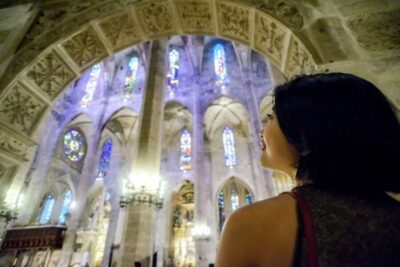
- Palma: Cathedral of Mallorca Skip-the-Line Entry Ticket
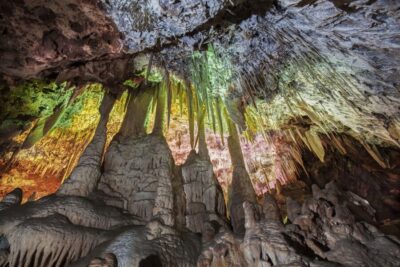
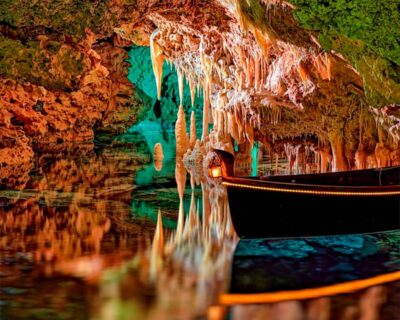
★ 4.6 · 14,386 reviews - Porto Cristo: Caves of Hams Entry Ticket
★ 4.2 · 6,548 reviews - Mallorca: Palma Aquarium Entry Ticket w/ Optional 3D Cinema
★ 4.5 · 2,280 reviews
The 18th-century nativity scene
The Neapolitan nativity scene is the most unusual reason to choose this museum. It dates from the 18th century, long before the March Palace was built, so it brings a completely different period into the visit.
A Neapolitan nativity scene is more than a simple Christmas display. Its appeal comes from the care given to the figures, costumes, setting, and small details. Here, the display offers a glimpse of traditional European religious art and the theatrical style associated with historic nativity scenes.
I would make this your first major stop inside the museum, especially if you have limited time. It gives the visit a clear point of focus before you turn to the more modern works.
The display may appeal most to you if you enjoy decorative art, religious traditions, or finely made historical objects. If modern art is your main interest, you may find the nativity scene less compelling, but it still helps explain the museum’s broad mix of old and new.
Modern sculpture in a historic setting
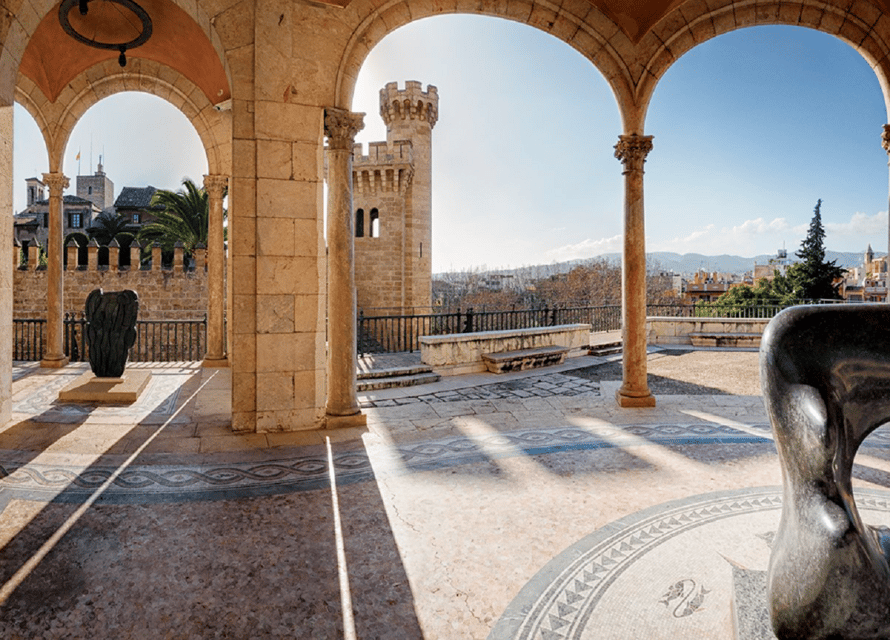
The museum’s modern and contemporary sculpture collection supplies a sharp contrast to the older nativity display. Instead of looking at small figures and traditional scenes, you move toward larger forms, modern materials, and more open-ended artistic ideas.
The supplied information does not name individual sculptors or list every work, so I would not arrive expecting a museum built around one famous artist. Think of this section as a compact collection where you can compare different approaches to shape and space.
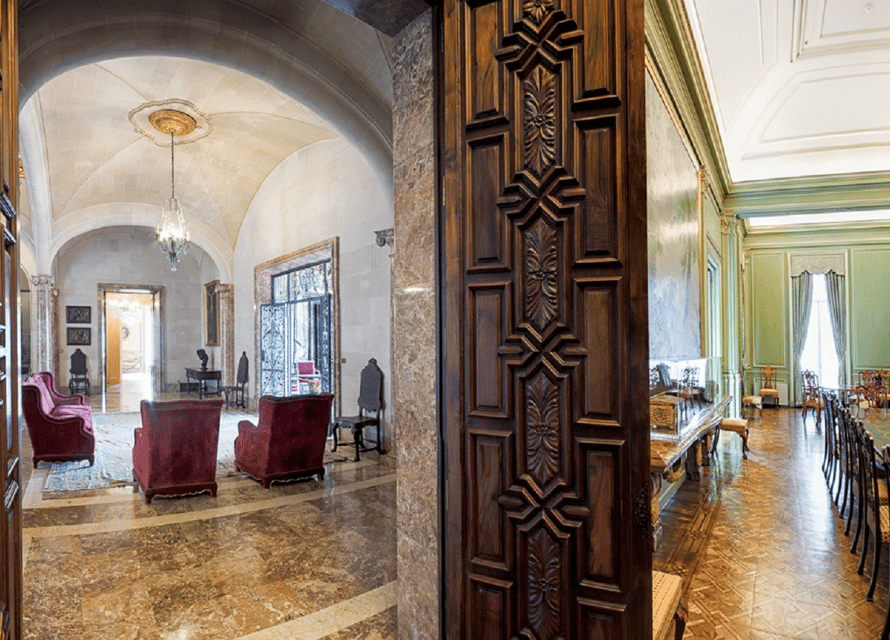
The setting matters. Sculpture can look very different inside a palace than it does in a modern gallery. Architectural details, ceilings, walls, and the scale of the rooms all become part of how you read the work.
You might find that some sculptures make sense right away, while others need a longer look. With a small museum, you can pause without feeling that you have many more rooms waiting behind you. That is a real benefit if you prefer to look carefully rather than race through a large collection.
At the same time, the short visit means the museum may feel limited if you want a full survey of modern art. One visitor rated the visit highly but found the museum easy to finish in just a few minutes. Another described the attractive vaulted space but said the complete visit took about half an hour. That is useful planning information, not a complaint you should ignore.
Mallorcan maps and the story of an island
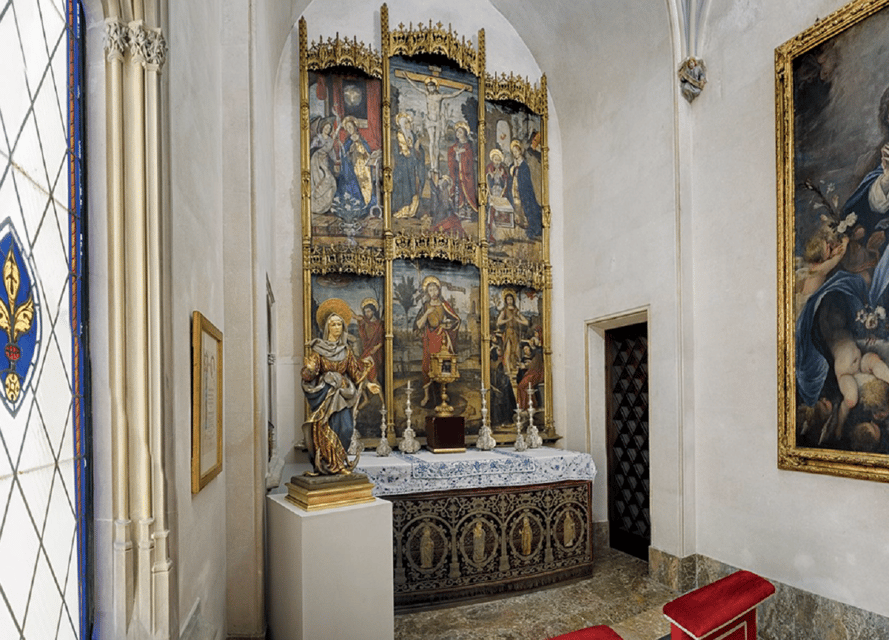
The museum holds one of the world’s best collections of Mallorcan cartography. This gives the visit a strong local connection. Instead of seeing Mallorca only through monuments and beaches, you can look at how the island was drawn, recorded, and understood over time.
Maps reward patience. At first, you may notice coastlines, place names, and decorative details. Then you begin to see how a map reflects the knowledge and priorities of the people who made it. The collection can help you think about Palma and Mallorca as places shaped by travel, trade, geography, and changing ideas about territory.
This is one of the best parts of the museum for anyone who wants more than a quick art stop. It links the palace to the island itself. Even if you are not a map specialist, you can use the collection to add context to the places you have seen elsewhere in Mallorca.
The information provided does not specify the number of maps, their dates, or the languages used on them. I would therefore treat this as a major collection within a compact museum, not as a separate cartography museum requiring hours of study.
Same island, a completely different afternoon:
- Palma de Mallorca: 5-Hour Catamaran Cruise with Lunch & Swim
★ 4.5 · 9,957 reviews - Palma de Mallorca: City Sightseeing Hop-On Hop-Off Bus Tour
★ 4.1 · 4,450 reviews - Mallorca: Island Tour with Boat, Tram & Train from the South
★ 4.4 · 3,888 reviews - Palma: Catamaran Cruise with Swimming and Snorkelling
★ 4.3 · 2,859 reviews
Josep Sert’s murals on the palace walls
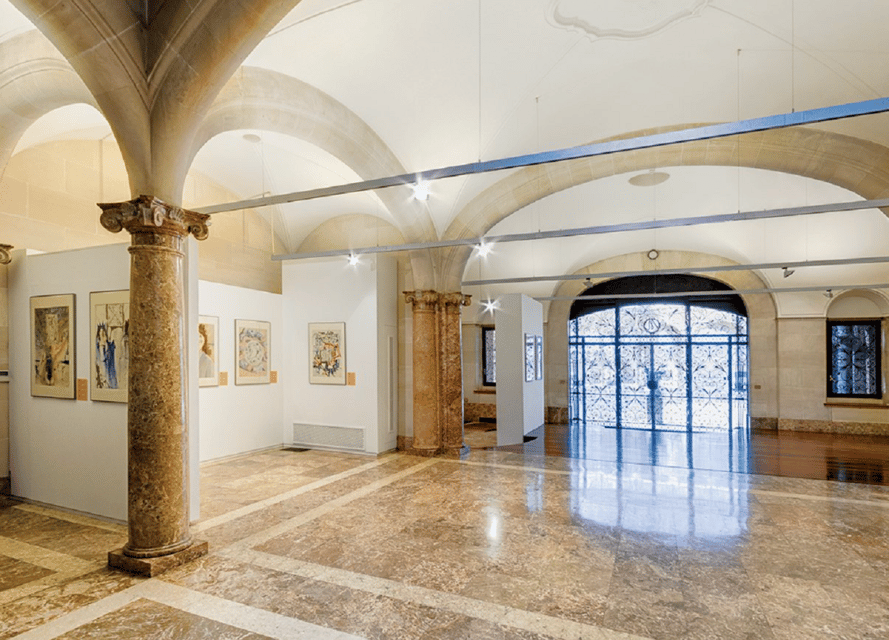
The walls are painted by Josep Sert, one of the most respected muralists of the 20th century. These murals are an important reason to look up from the display cases and sculptures.
Sert’s work gives the building its own artistic voice. You are not simply walking through neutral rooms filled with objects. The walls are part of the collection, and the palace itself becomes a setting to read alongside the sculptures, maps, and nativity scene.
I recommend taking a slow look at the room surfaces before moving on. Museum visitors often focus on objects at eye level and miss the decoration above them. Here, the murals are one of the details that make the March Palace different from a standard gallery.
The available information does not provide descriptions of the mural subjects, so I cannot promise a particular story or theme in each room. Still, their presence adds weight to the building and helps explain why the palace was designed with the work of major artists in mind.
How long to allow and when to visit
The museum opens from 10:00 a.m. to 5:30 p.m. The ticket is valid for one day, so you have room to fit it around other plans in Palma. You must exchange your voucher at the ticket counter before entering, and all visitors need to show their tickets at the entrance.
For most people, I would plan 30 to 60 minutes. That estimate reflects the compact nature of the visit and the direct comments about finishing in roughly half an hour. If you like maps, sculpture, or murals, allow more time so you can stop without rushing.
The quiet atmosphere may be part of the appeal. A May 2025 visitor had the museum entirely to themselves, and a November visitor reported nearly having the place to themselves during the off-season. That suggests November and other quieter periods can be good choices if you prefer calm rooms and fewer interruptions.
During busier periods, the visit may feel less solitary, but the short format still makes it easy to fit into a day in Palma. You can go in the morning, take a break for food, or stop later in the afternoon before the 5:30 p.m. closing time. The ticket does not include food, drinks, hotel pickup, or hotel drop-off, so plan this as a self-contained museum visit.
Is $11 a fair price?
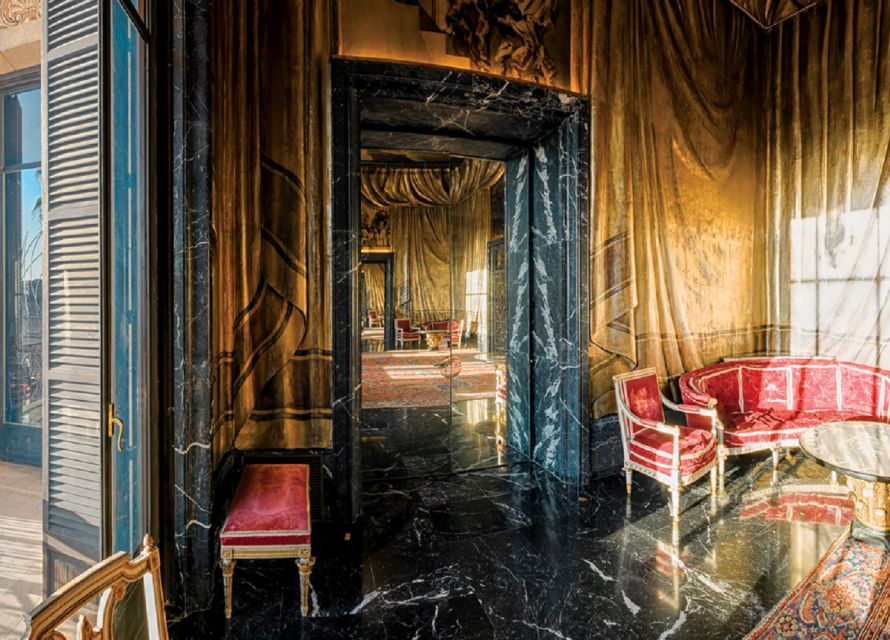
At $11 per person, the March Palace ticket offers solid value if you want a brief cultural stop in Palma. The price is especially reasonable if you care about the specific combination of a historic family residence, modern sculpture, Mallorcan maps, Josep Sert murals, and an old Neapolitan nativity scene.
The value is less clear if you measure museum tickets by the number of hours inside. You might finish in half an hour, and the compact size means this is not the place to choose when you want a full-day attraction.
I would compare it to the cost of a coffee break or a short indoor activity. For $11, you get several distinct collections and a palace setting, without needing to reserve a large part of your day. That makes it useful on a packed Palma itinerary.
The ticket also includes flexible booking terms. You can cancel up to 24 hours in advance for a full refund, and a reserve-now, pay-later option is available. These terms matter if your Mallorca plans may change, though they do not add time or extra services to the visit itself.
Who will enjoy the March Palace most?
I would recommend this museum to you if you enjoy unusual combinations. The visit brings together a 20th-century family palace, contemporary sculpture, historic maps, a traditional nativity scene, and large murals by Josep Sert.
It is a good match for:
- Art lovers who want sculpture and mural painting in the same stop
- History-minded visitors interested in a family residence built from 1939 to 1945
- Map enthusiasts who want a local collection tied directly to Mallorca
- Independent sightseers who prefer to move at their own pace
- Short-stay visitors who need a museum that fits into a busy Palma schedule
- Off-season visitors who value quiet rooms and an unhurried look
You may want to skip it if you prefer large museums with extensive labels, many galleries, or a long guided explanation. The ticket does not describe a guided tour, and no guide names are provided. You should enter expecting to explore on your own.
Practical tips for a smoother visit
Exchange your voucher at the ticket counter before the tour begins. Keep the ticket ready, since every visitor must show it at the entrance.
Arrive with a simple plan. Start with the nativity scene or the murals, then give the sculptures and maps your remaining attention. If you are interested in all four parts, do not assume you can understand the museum in five minutes.
The museum’s 10:00 a.m. to 5:30 p.m. hours give you plenty of scheduling flexibility, but leave enough time before closing for the ticket exchange and entry. Since the visit can be short, it pairs well with other central Palma sights.
There is no hotel transportation, food, or drink included. You are buying admission to the Palau March Museum only, so arrange those needs separately.
Should you book the March Palace ticket?
Book it if you want an affordable, short museum visit with more variety than its size suggests. The Mallorcan cartography collection, Sert murals, modern sculpture, and 18th-century nativity scene give you four strong reasons to look beyond the palace rooms themselves.
Skip it if you want a major attraction that will occupy several hours. The chief limitation is clear: many people can complete the museum in about 30 minutes. For the right visitor, that is efficient rather than disappointing.
At $11, I see this as a smart add-on to a day in Palma, especially during a quiet season or when you want an indoor break. It is best approached as a focused cultural stop, not as an all-day palace tour.
FAQ
Where is the March Palace Museum located?
The Palau March Museum is in Palma, in the Balearic Islands of Spain.
What does the ticket include?
The ticket includes entry to the Palau March Museum.
How long is the ticket valid?
The ticket is valid for one day.
What are the museum’s opening hours?
The museum opens from 10:00 a.m. to 5:30 p.m.
Do I need to exchange my voucher?
Yes. You must exchange your voucher at the ticket counter before entering, and all visitors must show their tickets at the entrance.
Can I cancel for a full refund?
Yes. You can cancel up to 24 hours in advance for a full refund. A reserve-now, pay-later option is also available.
Newest Mallorca write-ups
- SUP tour from Palma to Mondrago Beach and Samarador★ 5.0 · 11 reviews
- Palma Jump ticket★ 4.0 · 17 reviews
- Mallorca Blue Cave Boat Tour with Snorkel★ 4.5 · 26 reviews
- Safari Alcudia Jack Sparrow cave tour 90MIN★ 4.0 · 20 reviews
- Afternoon Snorkel & Paddle Surf Experience in a Secret Spot★ 5.0 · 8 reviews
- Extreme e-scooter off-road excursions★ 5.0 · 3 reviews
- FUN Quad Mallorca★ 4.5 · 33 reviews
- Guided Kayak Tour from Sant Elm to Sa Dragonera★ 4.5 · 11 reviews
Tickets, compared.