
Reviewed · SOLLER TRAIN AND TRAM TRIPS
Sóller: Olive Oil Guided Tour and Tasting at Can Det Estate
The remarkable thing here is the olive oil. At Can Det, oil comes from olive trees more than 1,000 years old, linking your lunch directly to Mallorca’s farming traditions. You also see a traditional oil mill and a 400-year-old family house, not just a tasting counter set up for tourists.
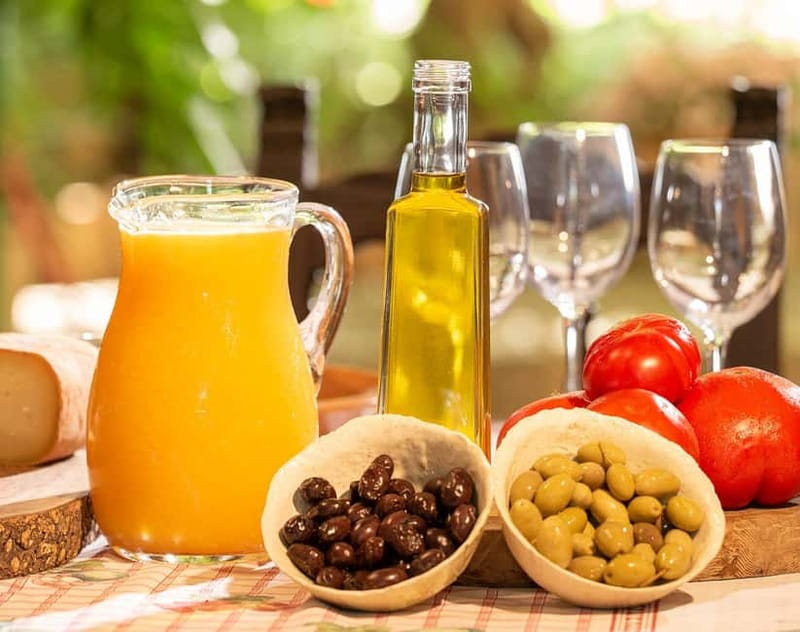
I like the honest, local meal of bread, ramallet tomatoes, olives, almonds, orange jam, and orange juice. I also like the small scale and clear focus: one hour, one estate, one family story. The main consideration is timing. The guided visit runs only at 12:00 each day, and transportation to Can Det is not included.
Key points to know
- Olive oil from ancient trees: Taste oil connected to olive trees more than 1,000 years old.
- A real historic setting: Walk through the 400-year-old Can Det house, garden, and traditional oil mill.
- Mallorcan brunch included: Expect bread, ramallet tomatoes, olives, almonds, orange jam, and estate orange juice.
- A short, focused visit: The full experience lasts about one hour, making it easy to fit into a Sóller day.
- Fixed midday schedule: The guided visit begins at 12:00, with no other daily start time listed.
- Private and English-speaking: The activity is private, guided in English, and wheelchair accessible.
Why Can Det is more than an olive oil tasting
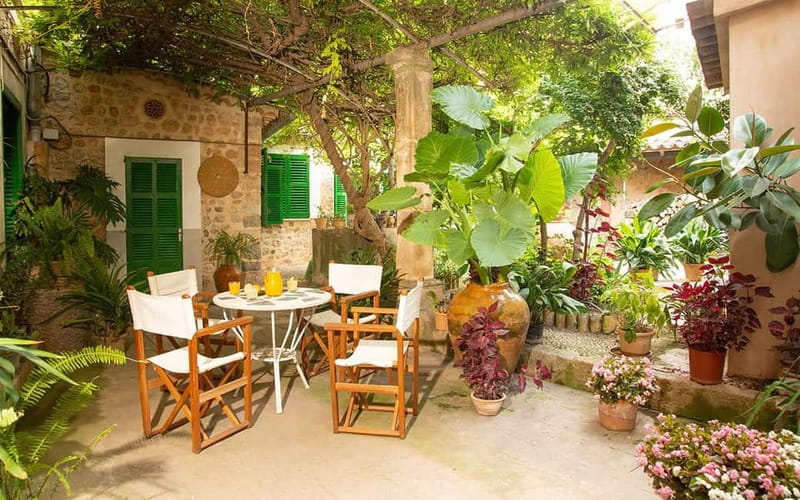
Can Det gives you a look at the working traditions behind one of Mallorca’s most familiar foods. Instead of tasting oil in a modern shop, you visit a family estate in Sóller, where olives, citrus, and oil have shaped daily life for generations.
The estate is tied to the wider cultural setting of the Serra de Tramuntana. The family’s traditional farming practices form part of the story behind this area’s UNESCO World Heritage recognition. That adds useful context to the tasting. You are not simply comparing flavors. You are seeing how olive growing, stone buildings, gardens, and mountain agriculture fit together.
The visit also has a pleasant sense of proportion. At $34 per person, it is not a full-day outing or a long food tour. It is a compact introduction to Mallorcan farm life that includes a guided visit, brunch, typical products, and drinks. I see the price as fair if you want local food and cultural background in one stop.
If your main goal is a long technical lesson about pressing methods or a large-scale food feast, this probably is not the right choice. The experience is built around a brief visit and tasting. Its value comes from the setting and the connection to the family estate.
More Soller train and tram trips:
- Mallorca: Island Tour with Boat, Tram & Train from the South
★ 4.4 · 3,888 reviews - Mallorca in One Day Sightseeing Tour with Boat Ride and Vintage Train
★ 4.0 · 1,096 reviews - Sóller: Boat Trip to Sa Calobra and Torrent de Pareis
★ 4.4 · 690 reviews
Finding the 12:00 meeting point at Can Det
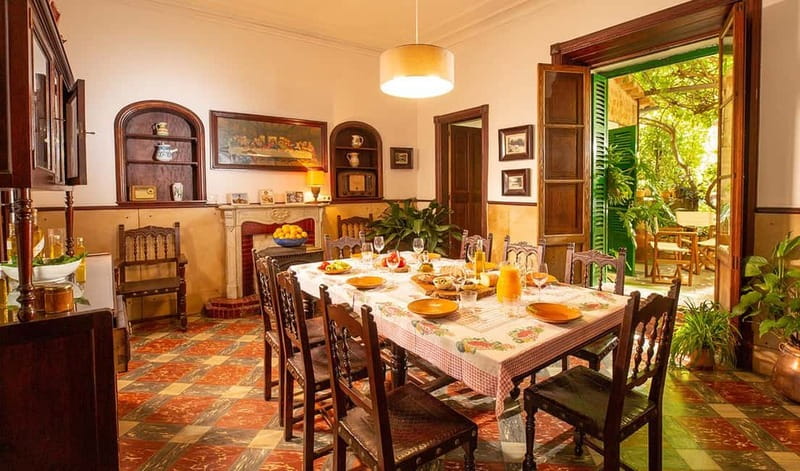
You meet at the entrance to Can Det. A large CAN DET sign hangs on the door, which should make the meeting point easy to identify. Since transportation is not included, you need to arrange your own way to the estate and allow enough time to arrive before noon.
The fixed schedule matters. The daily guided visit is only at 12:00, so this is not an activity you can casually fit into any open hour. Check the date and availability before planning the rest of your day in Sóller.
The tour is private, which can make the visit feel more direct and easier to follow. The guide speaks English, and the tour includes explanations rather than only a quick tasting. The activity is also listed as wheelchair accessible, an important practical point for visitors who need step-free access.
The experience ends back at the same meeting point. That makes it simple to continue sightseeing in Sóller afterward, but you should not expect a transfer to another part of town.
Touring the 400-year-old Can Det house
The house gives the visit its character. Can Det is about 400 years old, and its imposing garden helps you understand that this is a long-standing family estate rather than a purpose-built attraction.
Your guide explains the history of the family and its work with ancient olive trees, citrus trees, and oil. The house provides a setting for that story. Details such as the garden and the old agricultural buildings help connect the food on your plate with the land around you.
I find this part important because olive oil can seem abstract when it is presented only in a bottle. Here, the trees, house, garden, and mill give the product a physical setting. You get a sense of the work and continuity behind it.
The available information does not promise a room-by-room house tour or extensive access to every part of the property. You should expect a guided visit focused on the estate, its family story, and its oil production. That keeps the pace brisk, but it also means the tour may feel short if you want a long architectural visit.
Seeing the traditional oil mill
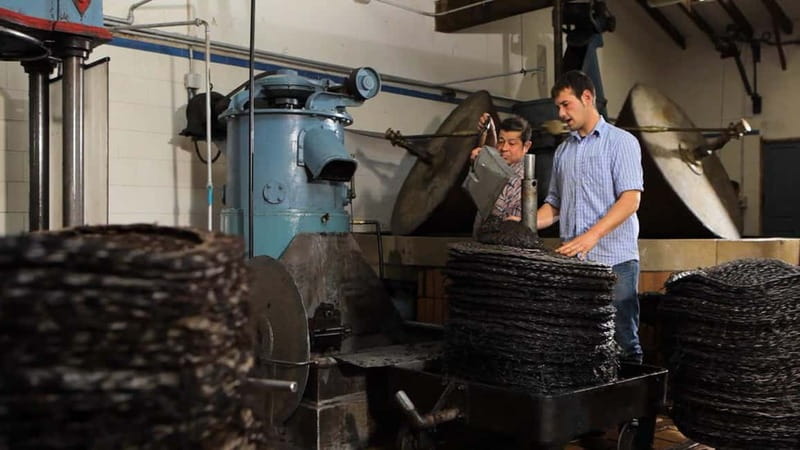
The oil mill preserves a traditional oil production system. This is one of the most useful stops for anyone who wants to understand how Mallorcan olive oil was made before modern industrial equipment became common.
Your guide explains the mill’s role in the estate’s production. The old system gives you a visible link between the olive trees and the finished oil served later in the dining room. Even if you already cook with olive oil, seeing the equipment can make the process more concrete.
The mill is not presented as a separate museum visit with a long technical demonstration. The tour lasts about one hour in total, and that time also includes the house, garden, family history, and tasting. Think of the mill as an important part of a compact story rather than a full workshop.
For me, this balance works well for a first visit. You get enough information to understand what you are seeing, without giving up the entire day to agricultural history. If you want to ask detailed questions about machinery, harvest dates, or production quantities, the private format may give you a chance, but those details are not specified in the tour description.
More olive oil and farm visits in Mallorca:
- Guided Tasting Tour in 16th century House and Olive Oil Factory
★ 5.0 · 169 reviews - Palma: Orange Farm, Olive Mill, & Winery Tour with Tastings
★ 4.9 · 44 reviews - Tour to olive grove and olive mill, oil tasting and snack
★ 5.0 · 25 reviews - Mallorca: Almond Blossom Minivan Tour with tasting – GERMAN
★ 4.3 · 11 reviews
Meeting olive trees more than 1,000 years old
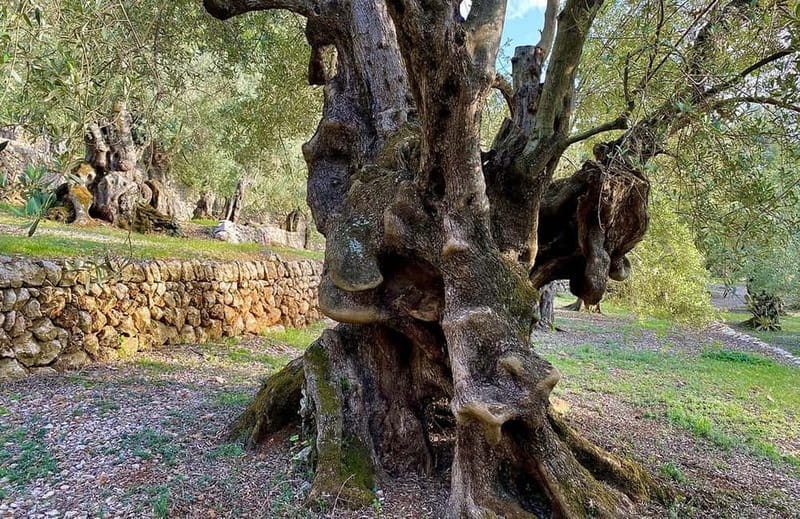
The estate’s oldest olive trees are a major reason to book this experience. Tasting oil from trees more than 1,000 years old gives the food a strong sense of place and time.
Age alone does not tell you exactly how the oil will taste, so the tasting is still the key moment. Your guide introduces the estate’s olive oil, and you can consider it alongside the bread, tomatoes, olives, almonds, and orange jam. The point is not simply to identify technical flavor notes. It is to understand how one farm’s oil fits with familiar Mallorcan foods.
Ancient trees also help explain why traditional cultivation matters in the Serra de Tramuntana. These trees are part of a long agricultural pattern involving dry-stone work, orchards, gardens, and family estates. The Can Det visit connects that wider setting with something you can eat.
Do not expect a large formal tasting flight based on the information provided. The experience centers on the estate’s olive oil and typical products. That is a strength if you prefer a relaxed food introduction, but a limitation if you want to compare many oils from different producers.
A Mallorcan brunch in the dining room
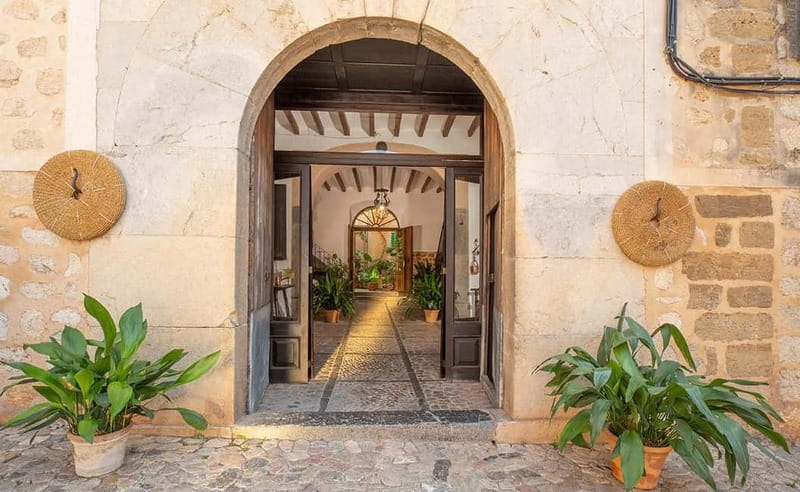
After the guided portion, you sit down in the house’s dining room for a tasting and brunch. The meal includes typical Mallorcan bread, ramallet tomatoes, olives, almonds, orange jam, and a glass of the estate’s own orange juice.
This is a simple spread, but it is exactly the right sort of food for the subject. Ramallet tomatoes are traditionally rubbed onto bread, allowing the tomato, bread, and olive oil to work together. The almonds and olives add familiar island flavors, while the orange jam and juice reflect Sóller’s strong citrus tradition.
The meal is one of the most praised parts of the experience. I can see why. A talk about local oil becomes more useful when you taste it with food rather than swallowing a small sample on its own. The brunch also makes the $34 price easier to justify, especially if you value a sit-down snack as part of a cultural visit.
The word brunch should not lead you to expect a large meal. The listed foods make up a light, traditional spread rather than a full restaurant lunch. If you arrive hungry, this may not replace a later meal. For most people, it should work as a generous tasting and midday bite.
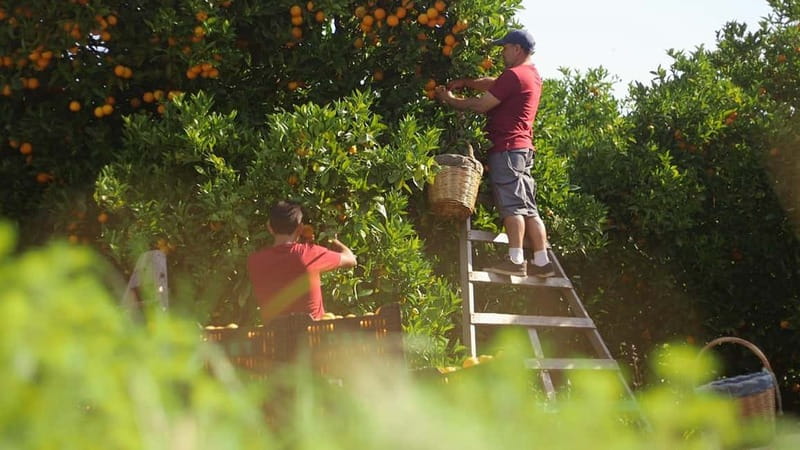
The orange juice is another thoughtful touch. It brings the estate’s citrus farming into the meal and gives you a second way to taste the produce connected with Can Det.
What the family story adds
The family story is not an extra decoration. It explains why the estate still matters and how olive cultivation, citrus growing, and oil production remain connected.
The tour presents the family’s activity through traditional cultivation of ancient olive trees, citrus, and oil. That lets you see the estate as a living agricultural property with a past, rather than as an old house preserved only for sightseeing.
The Can Det family is also linked to the story of the Serra de Tramuntana’s UNESCO World Heritage designation. You do not need a long lecture on international heritage programs to appreciate the point. The recognition reflects the relationship between people, farming, buildings, and the mountain setting. Can Det offers a small, personal way to understand that relationship.
The family account may appeal most to you if you like food with a human story. If you only want a quick bottle purchase, you can probably find faster options elsewhere. This visit asks you to spend an hour understanding where the oil comes from.
Is one hour enough?
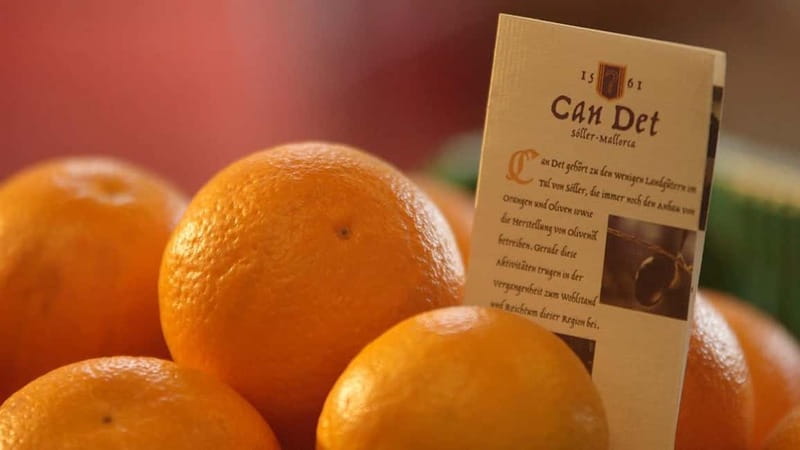
One hour is enough for an introduction, but it requires a clear expectation. The visit combines the historic house, garden, oil mill, family explanation, and tasting. None of these parts is likely to receive the same attention as it would on a half-day agricultural tour.
I like the short format for a busy day in Sóller. You can build it around a morning or afternoon of other sightseeing without committing to several hours. The fixed 12:00 start also gives the visit a natural place in your schedule, followed by more time in the town or nearby area.
The trade-off is that you have little flexibility. Arriving late could be awkward because there is one listed start time each day. You should also avoid assuming that the tour can be extended if you become absorbed in the house or mill.
At one hour, the experience suits you if you want a focused cultural stop. It may disappoint you if you want to wander freely through the estate or take a long guided walk among the trees.
How the private format affects the visit
This is a private activity, with an English-speaking live guide. That is useful when you want explanations in plain language and the chance to ask questions about the family, trees, oil, and mill.
A private tour can also feel more personal than a large group visit. The available details do not give a maximum group size, so I would not promise an intimate one-on-one format. Still, the private arrangement means the activity is not described as a standard public group tour.
The guide’s role covers both the visit and the tasting. You should expect a connected explanation rather than separate attractions with no link between them. The house leads to the mill, the mill leads to the oil, and the oil leads to the brunch.
The tour is conducted in English. If you need another language, this experience may not suit you because English is the only language listed.
Who should book Can Det?
I would recommend Can Det to several kinds of visitors:
- You want to learn about Mallorcan food through a real family estate.
- You like historic houses and traditional farm equipment.
- You are interested in olive oil but do not need an advanced tasting course.
- You want a short activity with food included.
- You are staying in or visiting Sóller and can reach the estate independently.
- You need a wheelchair-accessible activity.
Families, couples, and solo visitors can all find something useful here. The tasting gives the visit an easy social focus, while the house and mill add substance for anyone who prefers culture to a simple meal.
I would be less likely to choose it if you need several departure times, hotel transportation, a full lunch, or a long walk through the olive groves. The tour is short, fixed at noon, and centered on one estate.
Booking is flexible in one helpful way. You can cancel up to 24 hours in advance for a full refund, and the reserve now, pay later option lets you hold a place without paying at once. Those terms do not change the fixed 12:00 meeting time, so schedule first and book second.
My call on the $34 price
At $34 per person, Can Det offers a reasonable package: a private English-guided visit, historic buildings, a traditional oil mill, a family story, brunch, local products, and drinks.
The price makes the most sense when you value the setting and the explanation. The food alone would not justify treating this as a major meal, and the tour is too short to count as a full-day excursion. But the ancient olive trees, 400-year-old house, garden, mill, and estate orange juice give the tasting a sense of place that a shop sampling cannot match.
I would book it if you can reach Can Det easily and the noon time fits your plans. You get a concise, local look at Sóller’s olive and citrus traditions, with enough food to make the visit feel complete. If your schedule cannot handle a fixed start or you are searching for an extensive olive oil course, save your money for another activity.
FAQ
Where does the Can Det tour start?
The tour starts at the entrance to the Can Det estate. A large CAN DET sign hangs on the entrance door.
What time does the guided visit begin?
The daily guided visit begins at 12:00. No other daily start time is listed.
How long does the experience last?
The activity lasts about one hour and ends back at the meeting point.
Is transportation to Can Det included?
No. Transportation to and from the attraction is not included.
What food is included?
The brunch includes typical Mallorcan bread, ramallet tomatoes, olives, almonds, and orange jam. You also receive the estate’s own orange juice and a tasting of its olive oil.
What language is the tour conducted in?
The live guided visit is conducted in English.
Is the activity wheelchair accessible?
Yes. The activity is listed as wheelchair accessible.
More food and drink around Mallorca
- Mallorca: Horseback Riding Excursion and Wine Tasting
★ 4.8 · 383 reviews - The Award-Winning PRIVATE Food Tour of Mallorca: The 10 Tastings
★ 4.5 · 317 reviews - Mallorca sailing, snorkelling, as a Local with drinks and food
★ 4.5 · 159 reviews - Cala Rajada: Boat Excursion with Drinks and Food
★ 4.7 · 109 reviews
Newest Mallorca write-ups
- SUP tour from Palma to Mondrago Beach and Samarador★ 5.0 · 11 reviews
- Palma Jump ticket★ 4.0 · 17 reviews
- Mallorca Blue Cave Boat Tour with Snorkel★ 4.5 · 26 reviews
- Safari Alcudia Jack Sparrow cave tour 90MIN★ 4.0 · 20 reviews
- Afternoon Snorkel & Paddle Surf Experience in a Secret Spot★ 5.0 · 8 reviews
- Extreme e-scooter off-road excursions★ 5.0 · 3 reviews
- FUN Quad Mallorca★ 4.5 · 33 reviews
- Guided Kayak Tour from Sant Elm to Sa Dragonera★ 4.5 · 11 reviews
Soller Train and Tram Trips, compared.

Island Tour with Boat, Tram & Train from the South
Read our review →
Mallorca in One Day Sightseeing Tour with Boat Ride and Vintage Train
Read our review →
Alcudia/Marratxi: Valldemossa & Soller Tour by Tram & Bus
Read our review →
Mallorca Full-Day VIP Tour: Valldemossa, Deià & Sóller Experience
Read our review →
Tramuntana Full-Day Tour with Sóller Train and Lunch
Read our review →
Valldemosa and Valley of Soller Tour in Mallorca
Read our review →Browse the lists this tour appears in